Hydrocele: Understanding the Swelling and Your Care Options
Swelling in the scrotum can be worrying, and many men hesitate to ask about it. The reassuring news is that hydrocele is common, usually painless and treatable. Once you know what it is, what causes it and when to seek help, deciding on your next step becomes much easier.
Hydrocele can affect newborn boys, and it is also seen in adult men, most often after the age of 40. At Shiksha Ayurveda, we believe a clear explanation is the first step towards the right care.
What Is Hydrocele?
A hydrocele is a collection of fluid in the thin sac that surrounds the testicle, causing the scrotum to swell. It is a visible sign rather than a full diagnosis. A doctor can usually confirm it with a physical examination and, if needed, an ultrasound.
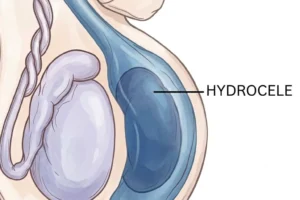 Common causes include:
- A sac that did not close fully after birth (in infants)
- Infection or inflammation of the testicle or epididymis
- Injury to the scrotum
- Age-related changes in fluid balance
- Filarial infection in some regions
Many hydroceles in infants resolve on their own within the first year or two. In adults, a hydrocele often stays the same size or grows slowly over time.
How Ayurveda Views Hydrocele
Classical Ayurvedic texts describe scrotal swelling under
Vriddhi and fluid-type swelling as
Mutravriddhi or
Udakavriddhi. It is understood as an imbalance of
Kapha (fluid and heaviness) and
Vata (obstructed movement). Heavy or oily food, suppressing natural urges and a sedentary lifestyle are considered contributing factors.
Traditional supportive care focuses on:
- Herbs such as Punarnava, Gokshura, and Varuna, traditionally used for swelling and fluid balance
- Diet of light, warm, freshly cooked food, with less heavy, oily, or cold food
- Gentle movement, including yoga and daily walks, to support circulation
- Lifestyle habits such as avoiding heavy lifting, long hours of sitting, and tight clothing
These measures are supportive and should always be guided by a qualified Vaidya. Research on Ayurvedic treatment alone for hydrocele is limited, so it works best alongside proper medical evaluation.
Your Hydrocele Care Roadmap
Think of your care as a simple roadmap, not a detailed blueprint. It shows the path from the first symptom to resolution and helps you and your doctor work together.
- Get a clear diagnosis. Rule out hernia, infection, or tumor.
- Decide whether to watch and wait. This is often reasonable for small, painless swelling.
- Choose the right treatment. Options range from supportive Ayurvedic care to a minor surgical procedure for large or persistent cases.
- Track changes. Note any change in size, comfort, or symptoms over time.
- Know the warning signs. Be aware of the symptoms that need urgent attention (see below).
When to See a Doctor Right Away
Seek medical help promptly if you notice:
- Sudden, severe pain
- Redness or fever
- Rapid growth of the swelling
- Swelling that follows an injury
Sudden pain can indicate
testicular torsion, which is a medical emergency.