


Asthma myths vs facts

Asthma: Myths vs. Facts—Understanding the Truth Behind Common Misconceptions
Asthma is a common chronic respiratory condition that affects millions of people worldwide. It causes inflammation and narrowing of the airways, making breathing difficult for some individuals. Symptoms may include coughing, wheezing, chest tightness, and shortness of breath.
Despite being a widely known condition, asthma is surrounded by many misconceptions. Some people believe that asthma only affects children, while others think that people with asthma should avoid exercise or that inhalers are addictive.
But how much of what we hear about asthma is actually true?
Let’s explore some common asthma myths and understand the facts behind them.
7 Common Asthma Myths vs Facts
Myth 1: Asthma only affects children.
FACT
Asthma can affect people of all ages. Adults can develop asthma even if they never experienced breathing problems during childhood.
Myth 2: Using an inhaler causes addiction.
FACT
Inhalers are not addictive. They deliver medication to help control symptoms and reduce airway inflammation. Use them according to your doctor’s instructions.
Myth 3: People with asthma should avoid exercise.
FACT
People with well-controlled asthma can generally participate in physical activities. The right treatment and medical guidance can help make exercise safer.
Myth 4: Asthma is contagious.
FACT
Asthma is not an infectious disease. You cannot catch asthma by sitting, eating, or spending time with someone who has it.
Myth 5: Asthma symptoms occur only during an attack.
FACT
Asthma symptoms can vary over time. Some people experience coughing at night, wheezing, or chest tightness even without a severe attack.
Myth 6: Asthma can be permanently cured with home remedies.
FACT
There is currently no established permanent cure for asthma. Home remedies may provide comfort but cannot replace prescribed asthma treatment.
Myth 7: Only dust causes asthma symptoms.
FACT
Asthma triggers vary from person to person. Dust mites, pollen, smoke, air pollution, mold, strong fragrances, and respiratory infections may worsen symptoms.
What Are the Common Symptoms of Asthma?
Asthma symptoms can differ from one person to another. Some people experience occasional symptoms, while others may face frequent breathing difficulties.
Common warning signs include:
-
Frequent coughing, especially at night or early morning.
-
Wheezing or whistling sounds while breathing.
-
Chest tightness or a feeling of pressure.
-
Shortness of breath.
-
Difficulty breathing during physical activities.
If you experience these symptoms repeatedly, consult a qualified healthcare professional for proper evaluation. These symptoms can also occur in other respiratory conditions.
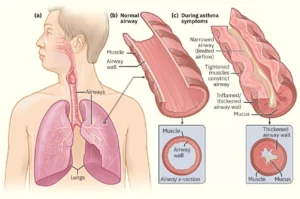
What Can Trigger Asthma Symptoms?
Asthma triggers are different for everyone. Identifying and managing personal triggers can help reduce the frequency of symptoms.
Some common triggers include:
-
Dust and dust mites: Indoor dust and dust mites may worsen symptoms.
-
Air pollution: Smoke, vehicle emissions, and polluted air can irritate the airways.
-
Pollen: Seasonal pollen exposure may trigger symptoms in sensitive individuals.
-
Weather changes: Cold air and sudden temperature changes may worsen breathing problems.
-
Strong fragrances: Perfumes, cleaning products, and chemical fumes can irritate sensitive airways.
-
Respiratory infections: Colds and other viral infections may trigger asthma flare-ups.
How Is Asthma Diagnosed?
Asthma diagnosis requires a proper medical assessment. A healthcare professional may evaluate your symptoms, medical history, and possible triggers.
Common diagnostic methods include:
-
Spirometry: Measures how much air you can breathe out and how quickly.
-
Peak Flow Test: Measures the speed of air expelled from your lungs.
-
Medical History: Helps identify recurring symptoms and possible triggers.
-
Additional Tests: Your doctor may recommend other investigations depending on your condition.
Early and accurate diagnosis helps in developing an appropriate asthma management plan.
How Can You Manage Asthma in Daily Life?
Although asthma is a chronic condition, appropriate management can help many people maintain an active and healthy lifestyle.
Consider these practical steps:
-
Follow your prescribed treatment plan regularly.
-
Avoid smoking and exposure to second-hand smoke.
-
Identify and reduce exposure to personal triggers.
-
Keep your surroundings clean and well ventilated.
-
Maintain an appropriate level of physical activity.
-
Follow a balanced and nutritious diet.
-
Attend regular medical follow-ups.
-
Learn how and when to use your prescribed inhaler.
Important: Never stop or change prescribed asthma medication without consulting your healthcare professional.
Understanding Asthma Through an Ayurvedic Wellness Perspective
Ayurveda emphasizes understanding an individual’s Prakriti (body constitution), lifestyle, dietary habits, and overall health.
Traditional Ayurvedic approaches also discuss respiratory health in relation to concepts such as Vata and Kapha. However, these traditional concepts should not be considered a substitute for modern asthma diagnosis or evidence-based treatment.
We believe that health guidance should consider individual needs, lifestyle patterns, and overall well-being.
Personalized Ayurvedic consultation may be explored as a complementary wellness approach, alongside appropriate medical care. Any herbal medicines or therapies should be discussed with qualified healthcare professionals, particularly because some herbs may cause allergic reactions or interact with prescribed medicines.
Remember: Ayurvedic treatment should not replace prescribed inhalers or emergency asthma care.
When Should You Seek Medical Help?
Do not ignore recurring breathing difficulties, persistent coughing, or frequent wheezing.
Seek immediate emergency medical attention if you experience:
-
Severe difficulty breathing.
-
Difficulty speaking because of breathlessness.
-
Blue or grey lips or fingernails.
-
Symptoms that are rapidly worsening or not responding to your prescribed reliever medication.
Severe asthma attacks can be life-threatening and require urgent medical attention.
We focus on personalized Ayurvedic consultation and lifestyle guidance. We encourage individuals to understand their health concerns, follow appropriate medical advice, and make informed decisions about their wellness.
Our approach emphasizes:
-
Personalized health consultation.
-
Understanding individual lifestyle and dietary habits.
-
Guidance on healthy daily routines.
-
Regular follow-ups and wellness education.
If you are experiencing recurring respiratory symptoms, seek proper medical evaluation before starting any treatment.