


Asthma (Tamaka Shwasa): Symptoms, Triggers and Ayurvedic Care | Shiksha Ayurveda
Asthma (Tamaka Shwasa): Understanding Breathlessness and Your Care Options
Tamaka Shwasa is the Ayurvedic name for asthma, a long-term condition that makes breathing hard. Ayurveda has described it for thousands of years, and modern medicine now understands it in great detail. As a result, you can choose from many care options. In this guide, you will learn the symptoms, triggers and care choices for Tamaka Shwasa, and you will see how Ayurvedic and modern care can work together.
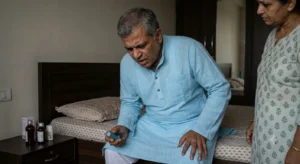
What Is Tamaka Shwasa?
Asthma inflames and narrows the airways in the lungs. During an attack, the muscles around the airways tighten and the lining swells. Meanwhile, the body makes extra mucus. Consequently, air moves in and out with difficulty.
Classical Ayurvedic texts describe five types of Shwasa, or breathing disorder. Tamaka Shwasa is the type that closely matches asthma. According to Ayurvedic theory, aggravated Vata and Kapha block the airway channels (Pranavaha Srotas). Therefore, Ayurvedic care focuses on clearing the channels and calming these two forces.
Asthma affects people of every age. It often begins in childhood, but it can start at any time. Although it has no permanent cure, most people control it well with the right plan.
Symptoms of Asthma
Symptoms vary from person to person, and they can change over time. Typical signs include:
- Shortness of breath, especially during activity
- A whistling or wheezing sound when you breathe out
- Tightness or pressure in the chest
- A dry cough that gets worse at night or early in the morning
- Trouble sleeping because of coughing or wheezing
Some people have symptoms every day. In contrast, others have occasional flare-ups, called attacks, with long symptom-free periods in between.
Causes and Triggers of Tamaka Shwasa
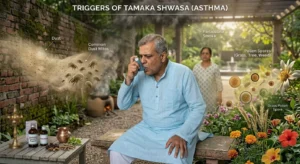
Doctors do not know the exact cause of asthma. However, genes and the environment both play a role. A family history of asthma, eczema or hay fever raises your risk. In addition, certain triggers can set off symptoms:
- Dust mites, pollen, mould and pet dander
- Cold air, sudden weather changes and humidity
- Smoke, strong smells and air pollution
- Colds, flu and other chest infections
- Exercise, especially in cold, dry air
- Stress and strong emotions
- Some medicines, such as aspirin
Ayurveda also links Tamaka Shwasa to heavy, cold, oily or hard-to-digest foods. For example, practitioners often advise limiting cold drinks, fried food and curd at night. Scientific evidence for these specific food links remains limited, so treat them as traditional advice.
How Doctors Diagnose Asthma
First, your doctor asks about your symptoms, your family history and your triggers. Next, the doctor listens to your chest. After that, a breathing test called spirometry measures how much air you blow out and how fast. Sometimes a peak flow meter tracks your breathing at home. In addition, allergy tests can reveal specific triggers.
Do not guess at the cause of breathlessness. Other conditions, such as heart problems or chronic obstructive pulmonary disease (COPD), can look similar. Therefore, always get a proper diagnosis.
Modern Care Options for Asthma
Modern medicine offers two main kinds of treatment. Together, they control symptoms and prevent attacks.
Reliever inhalers
Quick-relief inhalers open the airways within minutes. You use them when symptoms start or before exercise, if your doctor advises it. However, needing your reliever more than twice a week means your asthma is not under control. In that case, see your doctor.
Controller medicines
Controller inhalers contain low-dose steroids that calm airway swelling. You take them every day, even when you feel well. Because they work slowly, they protect your lungs over weeks and months. Doctors may also prescribe tablets or, for severe asthma, injectable biologic medicines.
An asthma action plan
Ask your doctor for a written plan. It tells you what to take each day, what to do when symptoms worsen, and when to get emergency help.
Never stop your inhaler on your own. Even if you try Ayurvedic care, keep taking your prescribed medicines. Only your doctor should change or stop them.
Ayurvedic Care for Tamaka Shwasa
A qualified Ayurvedic physician builds a plan around your body type, your symptoms and your triggers. Typically, the plan combines herbs, cleansing therapies, diet and breathing practices. Many people use this approach alongside modern treatment.
Important: Research on Ayurvedic treatment for asthma is still limited. Some small studies show benefits, but large, high-quality trials are scarce. Therefore, Ayurvedic care should support your medical treatment and never replace it.
Herbs used in Tamaka Shwasa care
Practitioners commonly choose herbs that loosen mucus and soothe the airways:
- Vasa (Adhatoda vasica): Traditionally used for cough and phlegm.
- Tulsi (holy basil): Often taken as a tea for cold and cough.
- Pippali (long pepper): Traditionally used to clear the chest.
- Yashtimadhu (liquorice): Used to soothe the throat.
- Kantakari: A classical herb for wheeze and cough.
- Sitopaladi and Talisadi Churna: Traditional herbal powders for chest congestion.
Do not start herbs on your own. Some herbs interact with asthma medicines, and others can trigger reactions. Likewise, people with high blood pressure should avoid liquorice unless a doctor approves.
Cleansing and supportive therapies
Some clinics offer Panchakarma. For example, Vamana (therapeutic emesis) aims to remove excess Kapha, while Nasya (nasal oil therapy) targets the upper airways. In addition, Swedana (herbal steam) can loosen congestion. Trained practitioners must perform these therapies, and they do not suit everyone, especially during an acute attack.
Pranayama and yoga
Breathing exercises may improve comfort and lung control. Popular choices include Anulom Vilom (alternate nostril breathing), Bhramari (humming bee breath) and slow diaphragmatic breathing. Similarly, gentle yoga poses can open the chest. Learn them from a trained teacher, and stop if they make you wheeze.
Daily Habits That Help Control Asthma
Small daily choices make a real difference. Furthermore, they support every kind of treatment.
- Avoid your triggers: Wash bedding weekly in hot water, and keep windows closed on high-pollen days.
- Quit smoking and avoid smoke: Tobacco smoke and incense irritate the airways.
- Eat warm, freshly cooked meals: Ayurveda favours light, warm food over cold and heavy dishes.
- Stay active: Walking and swimming strengthen your lungs, so ask your doctor which exercise suits you.
- Keep a healthy weight: Extra weight can make asthma worse.
- Manage stress: Meditation and enough sleep reduce flare-ups.
- Get vaccinated: Flu and pneumonia vaccines lower your risk of infection-triggered attacks.
| Care approach | Main role | Evidence |
|---|---|---|
| Reliever and controller inhalers | Control symptoms and prevent attacks | Strong |
| Trigger avoidance and healthy habits | Reduce flare-ups | Strong |
| Pranayama and yoga | Support breathing and relaxation | Moderate |
| Ayurvedic herbs and Panchakarma | Supportive care | Limited |
When to Seek Urgent Help
An asthma attack can turn serious fast. Therefore, know the warning signs.
Get emergency care right away if you notice:
- Severe breathlessness that makes it hard to speak
- Blue or grey lips or fingernails
- A reliever inhaler that does not help, or that wears off within hours
- Chest pain, confusion or extreme drowsiness
Also see your doctor soon if you cough or wheeze most nights, use your reliever often, or notice your symptoms getting worse.