

Kidney Health: Stones, CKD and Ayurvedic Care | Shiksha Ayurveda
Kidney Health: Understanding Kidney Problems and Your Care Options
Foamy urine, swollen ankles, burning while passing urine, or sudden pain in the side can be worrying. Many kidney problems develop quietly, with few symptoms until they are advanced. Knowing the warning signs and getting checked early makes a real difference.
Kidney conditions affect people of all ages, and they are more common in people with diabetes, high blood pressure, or a family history. At Shiksha Ayurveda, we believe a clear explanation is the first step towards the right care.
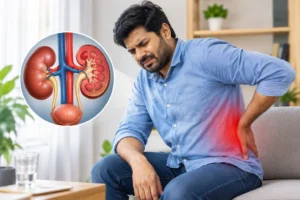
What Do the Kidneys Do?
The kidneys are two bean-shaped organs that sit on either side of the spine, below the ribs. They:
- Filter waste and extra fluid from the blood
- Balance water, salts, and minerals
- Help control blood pressure
- Make hormones that support red blood cell production and bone health
When they are not working well, waste and fluid build up, and the whole body is affected.
Common Kidney Problems
- Chronic kidney disease (CKD). A gradual, long-term loss of kidney function, most often caused by diabetes and high blood pressure.
- Kidney stones. Hard deposits of minerals and salts that can cause severe pain.
- Urinary tract infections (UTI). Infections that can spread from the bladder to the kidneys.
- Acute kidney injury. A sudden drop in kidney function, often during illness, dehydration, or after certain medicines.
- Nephrotic and other kidney diseases. Conditions that cause protein loss in the urine and swelling.
Warning Signs
- Swelling of the feet, ankles, legs, or around the eyes
- Foamy or bubbly urine, or blood in the urine
- Passing much more or much less urine than usual, especially at night
- Burning or pain while passing urine
- Pain in the back or side, sometimes spreading to the groin
- Persistent tiredness, weakness, or loss of appetite
- Nausea, itching, or breathlessness
- High blood pressure that is hard to control
Early kidney disease often has no symptoms, which is why testing matters.
How Ayurveda Views Kidney Problems
In Ayurveda, the kidneys (Vrikka) are linked with the urinary channels (Mutravaha Srotas). Kidney stones are described as Mutrashmari, and disorders of urine flow as Mutrakricchra and Mutraghata. Imbalance of Vata, Pitta, and Kapha; weak digestion; dehydration; and diet and lifestyle habits are considered contributing factors. Long-term kidney disease is understood as a deeper imbalance that needs careful, individual assessment.
Traditional supportive care may include:
- Hydration. Adequate water is the foundation of kidney care, unless your doctor has restricted your fluids.
- For stones. Herbs traditionally used include Gokshura, Pashanbheda, and Varuna, along with preparations such as Chandraprabha Vati, always chosen by a practitioner.
- Diet. Light, freshly cooked food, less salt, and fewer processed foods. Barley water and bottle gourd are traditionally used for urinary comfort in suitable cases.
- Lifestyle. Regular exercise, healthy weight, good sleep, and not holding back the urge to pass urine.
- Yoga. Gentle practices such as Pawanmuktasana and Bhujangasana, guided by your practitioner.
Important Safety Information for Kidney Patients
This is the most important section of this page.
- Be careful with herbs. Some herbs and supplements can harm the kidneys. Others contain potassium or minerals that are unsafe when kidney function is reduced.
- Heavy metals. Some poorly made herbo-mineral products (Bhasmas) may contain harmful metals. Only use products from reliable, tested sources.
- Avoid painkillers. Regular use of NSAID painkillers (such as ibuprofen or diclofenac) can damage the kidneys. Avoid them unless your doctor approves.
- Never stop prescribed treatment. Do not stop or change medicines, dialysis, or your diet plan on the advice of any remedy without speaking to your nephrologist.
- Inform both doctors. Tell your doctor and your Vaidya about everything you take, including herbs and supplements.
- Individual dosing. If you have CKD, any herb or diet change must be approved by your kidney doctor.
Medical Evaluation and Options
Kidney health is checked with simple tests:
- Blood tests. Serum creatinine and eGFR, and urea
- Urine tests. Protein in the urine (albumin-to-creatinine ratio), blood, and infection
- Blood pressure and blood sugar checks
- Ultrasound or other imaging to look for stones, size changes, or blockage
Options depend on the cause:
- Controlling the cause. Managing diabetes and blood pressure protects the kidneys.
- Stones. Small stones may pass with fluids and pain relief. Larger stones may need procedures such as lithotripsy or endoscopic removal.
- Infections. Treated with the right antibiotics.
- Advanced CKD. May need dietary management, medicines, dialysis, or a kidney transplant.
When to Get Medical Help Right Away
Seek urgent care if you have:
- Severe, sudden pain in the side or back, especially with vomiting
- Fever or chills with urinary symptoms or back pain
- Blood in the urine
- Very little or no urine
- Rapid swelling of the body or face
- Breathlessness, confusion, or severe drowsiness
- An inability to pass urine
Your Kidney Care Roadmap
- Get tested. Especially if you have diabetes, high blood pressure, or a family history of kidney disease.
- Find the cause. Know whether it is a stone, an infection, or a chronic condition.
- Protect your kidneys. Keep blood sugar and blood pressure in range, stay hydrated, and avoid unnecessary painkillers.
- Add supportive Ayurvedic care safely. Diet and lifestyle guidance, with any herbs approved by both your Vaidya and your kidney doctor.
- Follow up regularly. Repeat tests as advised and track changes over time.